


How can hospitals improve the quality of wound follow-up? And how can a medical photograph become genuinely usable clinical data?
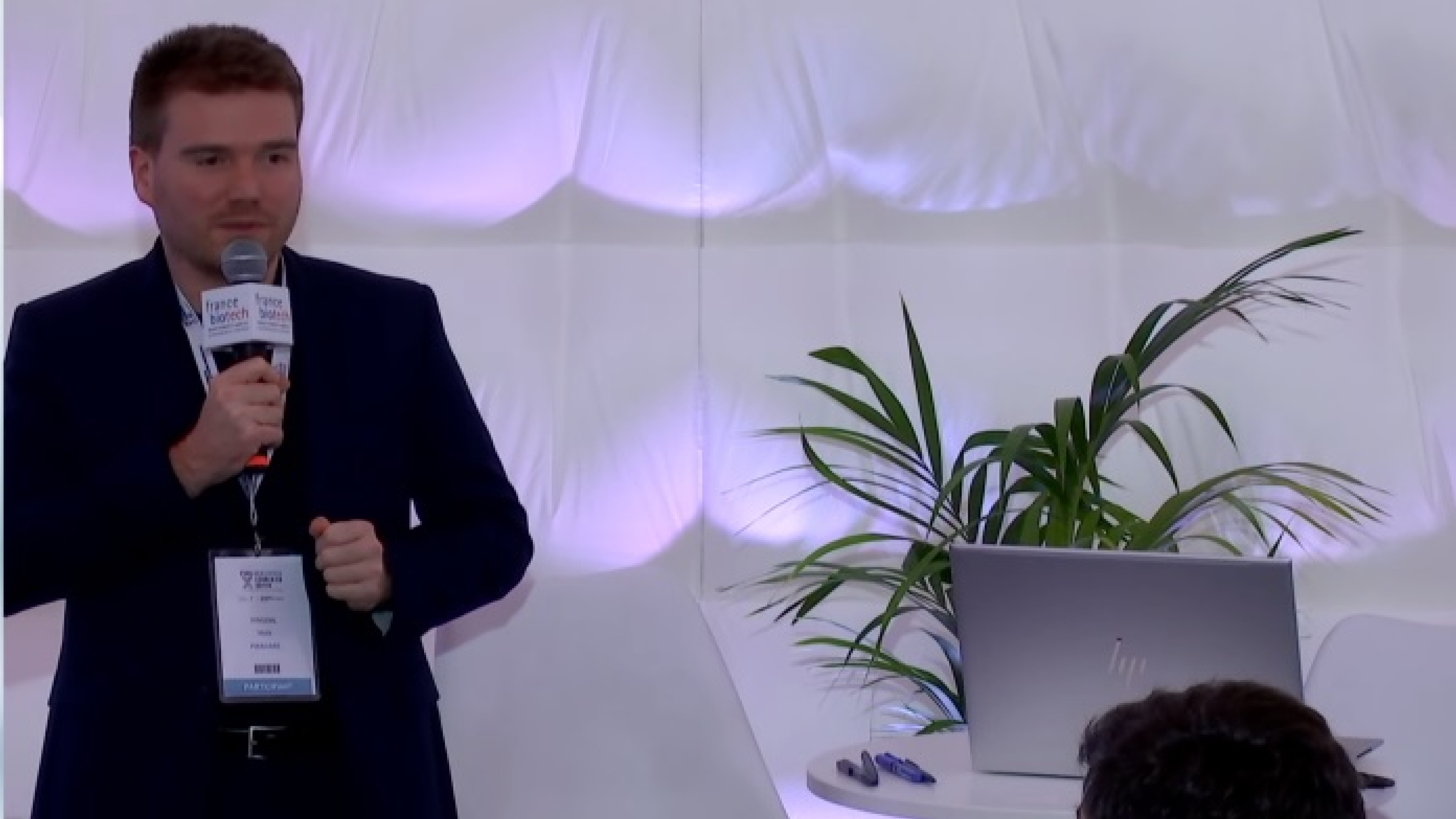
At the University Hospital HealthTech Connexion Day, Matis Ringdal, CEO of Pixacare, addressed these questions before an audience of hospital directors and senior clinical managers.
A reality still common across healthcare institutions
In many departments, clinical documentation remains fragmented. Photographs taken on personal smartphones are rarely linked to the patient record, difficult to compare over time, and impossible to use at department or hospital level.
As hospitals undergo digital transformation, structuring this data has become a strategic priority. Standardised documentation improves wound healing follow-up, strengthens team coordination and supports clinical and financial decision-making.
What Matis Ringdal presented
In this talk, he outlined how Pixacare is helping shift clinical practice:
- Securing medical photographs and removing them from personal devices
- Structuring wound documentation within the patient record
- Turning clinical images into data that supports decision-making
Clinical documentation should no longer be a passive record. It is becoming an infrastructure.
Video available below.
Références