Use of Remote Monitoring for Diabetic Foot Ulcers
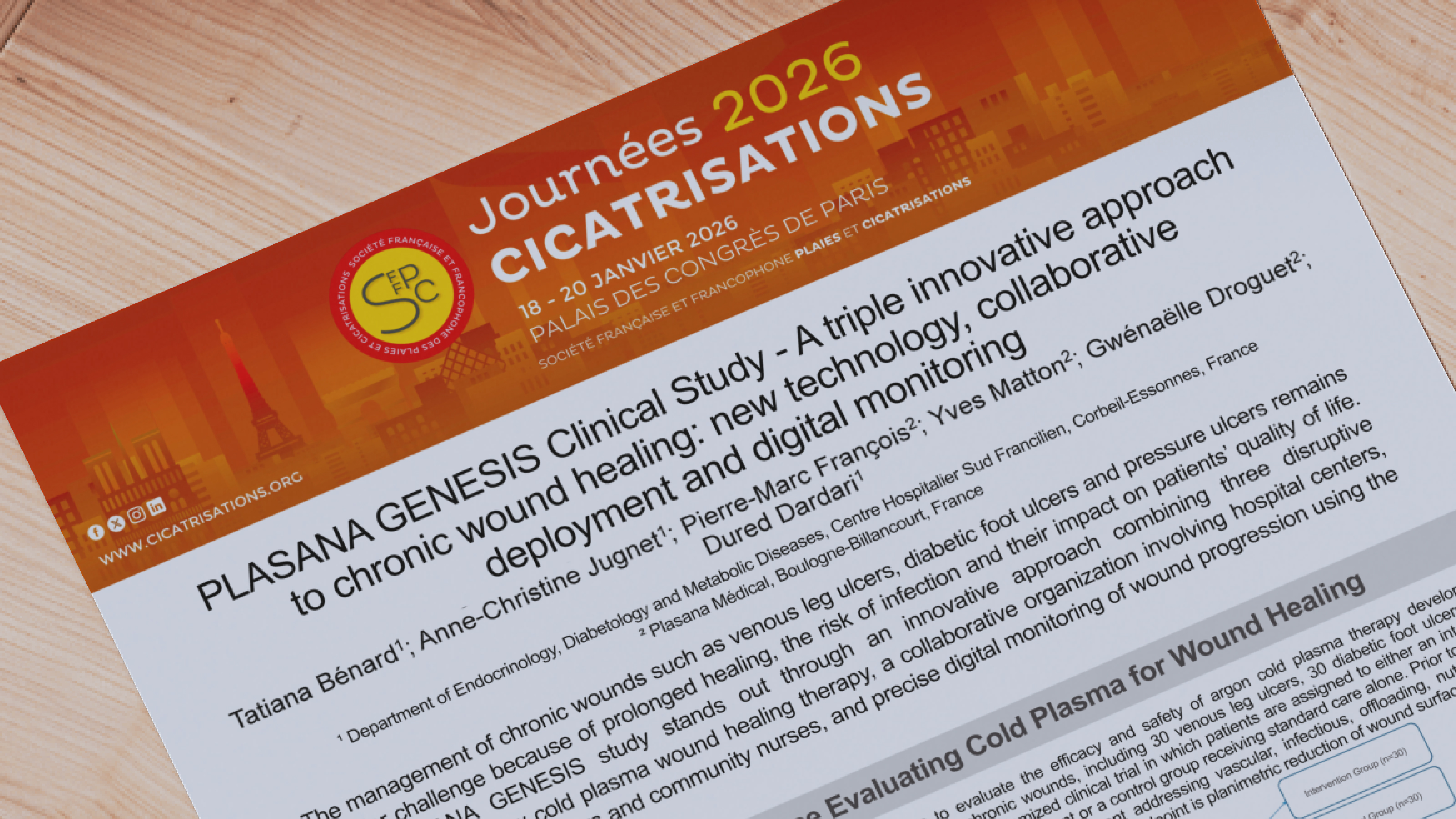
At the 2025 Diabetic Foot Ulcer Conference in Montpellier, Tatiana Bénard, RN, Care Coordinator at the Diabetic Foot Unit of CH Sud Francilien (South Francilien Hospital Center), presented a real-world feedback report on the use of Pixacare for the remote follow-up and remote monitoring of patients with diabetic foot ulcers.
Now available as a video, the presentation illustrates how a hospital organization can structure an effective, secure, and collaborative remote wound-healing follow-up, strengthening coordination between hospital-based care and community-based healthcare providers.
Context: A Multidisciplinary Team Facing Growing Demand
The CHSF Diabetic Foot Unit brings together multiple healthcare professionals:diabetologists, care coordinator nurses, registered nurses, podiatrists, orthotists, prosthetists, advanced practice nurses, and nurse managers.
Their activities include:
- Specialized outpatient consultations
- Strong hospital–community care coordination
- Consultations in the emergency department and inpatient units
- Training and research activities
Due to the decline in the number of specialized centers across the region, patient volumes have increased while consultation capacity has remained unchanged. Continuous follow-up between visits became essential, as photos sent via SMS or WhatsApp were often scattered, insufficiently secure, and difficult to compare over time.
The 2022 cyberattack, which paralyzed IT systems and led to a data breach, further highlighted the need for a secure and structured digital solution.
Project Origins: From the TÉLÉPIED Study to Pixacare
Before Pixacare, the team conducted the TÉLÉPIED clinical study, which involved manual remote monitoring performed by an expert nurse using photos sent by email or SMS, combined with home visits.
The study demonstrated:
- A 50% reduction in overall care costs
- Fewer hospitalization and rehospitalization days
- Identical healing and amputation rates between the two study groups
While the study confirmed the value of remote monitoring in diabetic foot ulcer management, the approach was difficult to scale.
In 2023, at the Wounds and Healing Conference, the team discovered Pixacare, which automated and secured all previously manual processes.
Since June 2024: A Fully Structured Organization with Pixacare
Since June 2024, all patients with diabetic foot ulcers seen in outpatient clinics, day hospitalization, or inpatient care, including emergency admissions, have been enrolled in Pixacare remote monitoring, with patient consent.
Two follow-up models are used:
1. Patient-Led Remote Monitoring (Autonomous)
- Automated weekly SMS reminders
- One-click photo upload (no mandatory app download)
- Early complication detection questionnaire
2. Remote Monitoring by Community Nurses, Home Hospitalization, or SSIAD
- A unique QR code provided by the physician or care coordinator nurse
- Free mobile app for nurses
- Photo capture and clinical questionnaire
- Secure messaging with the hospital
This organization significantly simplifies remote wound-healing monitoring.
Key Pixacare Features Used by CH Sud Francilien
Tatiana Bénard highlighted the most valuable Pixacare features for a specialized unit:
Structured Medical Photo Library
All images are linked to the patient record and accessible to authorized healthcare professionals, including diabetologists, nurses, vascular surgeons, infectious disease specialists, and emergency physicians.
Secure Collaborative Messaging
This feature strengthens hospital–community coordination. Teams exchange information on care protocols, offloading strategies, rapid clinical opinions, and necessary treatment adjustments. It effectively replaces SMS, WhatsApp, and emails, which are not recommended due to confidentiality and data security concerns.
Wound-Healing Documentation
A major advantage: rapid wound annotation, intuitive manual planimetry, healing trend curves, structured clinical data entry, and automatic generation of a PDF report integrated into the electronic health record (EHR).
Early Detection of Complications
Enabled through mandatory infection questionnaires, automated alerts, and visual photo comparison.Several patients were rehospitalized earlier, often directly to the diabetology unit without emergency department admission, resulting in improved clinical outcomes.
Major Clinical Benefits
According to the team, observed and expected benefits include:
- Reduced wound-healing time through closer follow-up
- Fewer hospitalizations and rehospitalizations
- Earlier identification of clinical deterioration
- Secure, high-quality clinical communication
- Easy adoption by community nurses and patients
- Reduced overall cost of care
Pixacare has become a key tool for hospital–community care coordination, which is essential for managing complex wounds.
Clinical Cases Presented
Tatiana Bénard illustrated the practical impact of remote monitoring with several cases:
1. Favorable Healing Outcome
Regular photo follow-up, combined with timely advice and rapid treatment adjustments, led to fast and positive wound progression.
2. Wound Stagnation
A patient submitted daily photos for one month with no visible improvement. The wound remained non-healing despite multiple local treatments.
→ Early rehospitalization for maggot therapy
→ Rapid subsequent healing
3. Silent Deterioration
Image comparison enabled:
→ Detection of dermo-hypodermitis
→ Urgent laboratory testing
→ Immediate rehospitalization without emergency department admission
Limitations of Photographic Monitoring
As Tatiana emphasized, a photo remains a photo.
Certain clinical elements cannot be fully assessed visually, including wound depth, temperature, bone exposure, and the quality or quantity of exudate. Image quality may also vary depending on angle and lighting conditions.
Clinical questionnaires and direct communication with community nurses therefore remain essential to complement visual assessment.
Future Perspectives and Areas for Development
L’unité identifie plusieurs axes d’amélioration :
- Expanding Pixacare adoption among community nurses (CPTS, CPAM, etc.)
- Using the platform for initial clinical assessments
- Increasing the use of video to visualize the entire foot and the wound from multiple angles
- Home visits by an expert coordinator nurse (TÉLÉPIED model)
- Continued research, with results from the PIXAPROM study forthcoming
Conclusion: A Structuring Tool for Remote Wound-Healing Follow-Up
For Tatiana Bénard, Pixacare is an essential remote monitoring solution that improves wound-healing follow-up, strengthens hospital–community coordination, secures health data, and optimizes team organization.
She also stresses that this model relies primarily on human involvement:
nursing time, engagement from community healthcare providers, and recognition of this activity, currently uncompensated, will be critical to ensuring the long-term sustainability of this care model.